

[Vol. 2] Thoughts on Films by a Colombian Cinephile
Another set of random thoughts on films I've watched.

Hey there! As mentioned before, I love to write about films in general; helps me organize my mind so I can sleep at night (or something…) Did it once and enjoyed it, so I thought: why not again?
So… let’s get to it!
Note: I regularly post thoughts like this on my Letterboxd, in case you’re interested!

The Secret Agent (2025)
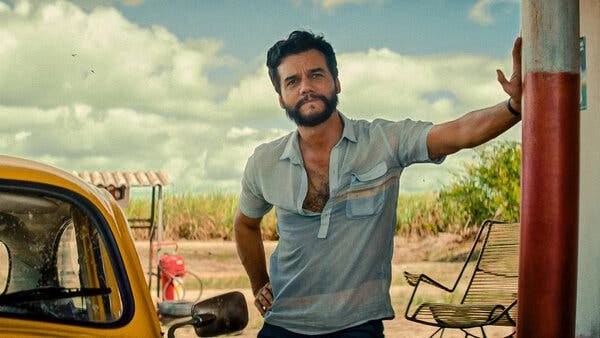
I’ll be honest: the first half of this film was a bit tough to sit through given its slower pace. I’m glad I stuck with it because the latter half is astounding and makes all the preceding slowburn worth it.
Colombia is no stranger to the value of collective memory, so I can see why a film set in the middle of the Brazilian military dictatorship chooses to focus on a man’s pursuit for his roots. Building those memories, as individuals and as nationals, is essential to our foundation as human beings. And the pursuit doesn’t end with Armando; as the film depicts later on, subsequent generations are also interested in the past, in the echoes of clarity they may offer.
Wagner Moura had already impressed me in Narcos, but here he earned my utmost respect. There is something he does towards the end of the film that I won’t spoil, but it speaks to his adaptivity as a performer and his intelligence at understanding the nuance of how people, and those related to them, behave. He deserves the Oscar this year, even if he probably won’t get it (one can only dream!)
Maria Full Of Grace (2004)

I realized a few days ago I had never seen the film that gave my country its only acting Academy Award nomination, in the form of Catalina Sandino Moreno.
I find it incredible this was her first screen credit. Some people just seem destined for certain leading roles, which certainly applies to her here. Acting in Colombia tends to be very melodramatic, owing to our huge soap opera induced televised world, but Sandino Moreno achieves something much more nuanced, without outright denying the (admittedly) best qualities of what her Colombian roots bring to her acting by mere cultural inheritance.
As others have said before me, Joshua Marston beautifully brings the human aspect of drug trafficking to the spotlight, which seems much more poignant now than it seemed back then, what with all the glorification of narco culture through Netflix and the like.
Ghost In The Shell (1995)
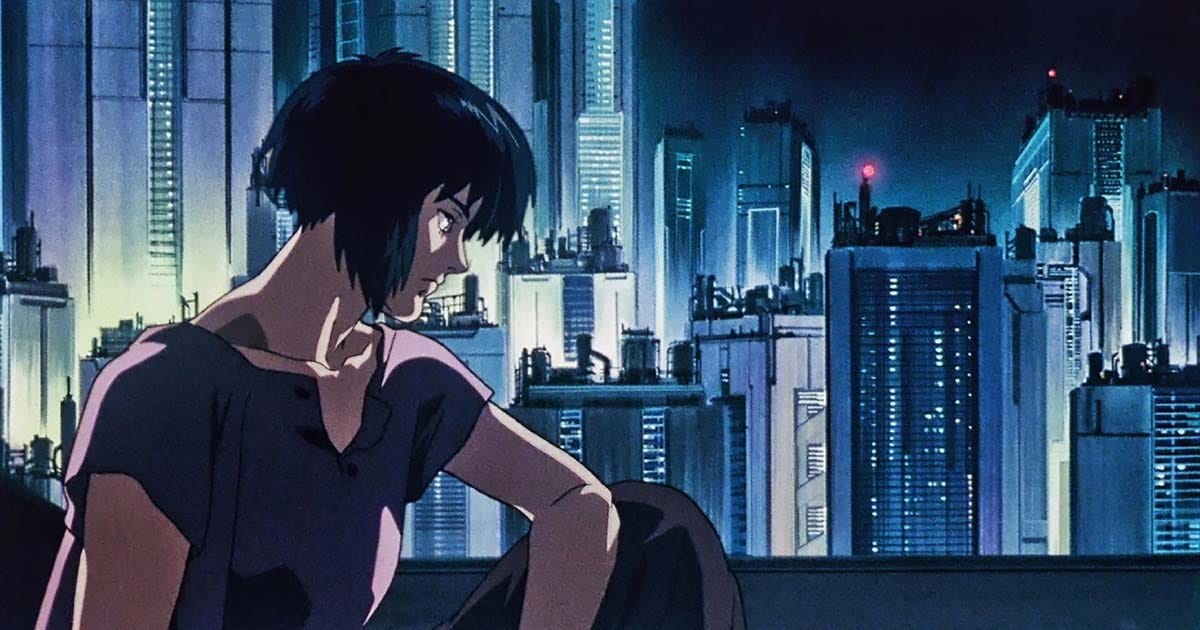
This film is tough to review. I usually don’t consider a movie’s influence in subsequent cinema as inherent to its charm. That’s a consequence of its reach and, while it speaks to how many people watched it, it doesn’t really say anything about its quality. Is it really that good?
For me, it is precisely the type of film I would usually loathe: light in plot, heavy in monologues and somewhat pretentious in its themes, in that “you’re too dumb to understand” kind of way.
And yet... it has stayed with me since I watched it. I didn’t particularly enjoy sitting through it, but I have enjoyed all the discourse, both internally in my brain and externally with others, that has resulted from it. I love how it made me discover the cyberpunk genre and allowed me to bask in its existentialism. I adore how it fueled endless nights of longing, looking out my windows at the city lights, with the certainty of life’s absurdity present in the air, like that smell of tobacco you can never really get rid of.
I enjoy everything around it more than I enjoy it in and of itself. It has made me reevaluate why I even watch cinema at all. Perhaps that’s more of a compliment than mere enjoyment could ever be.
Akira (1988)
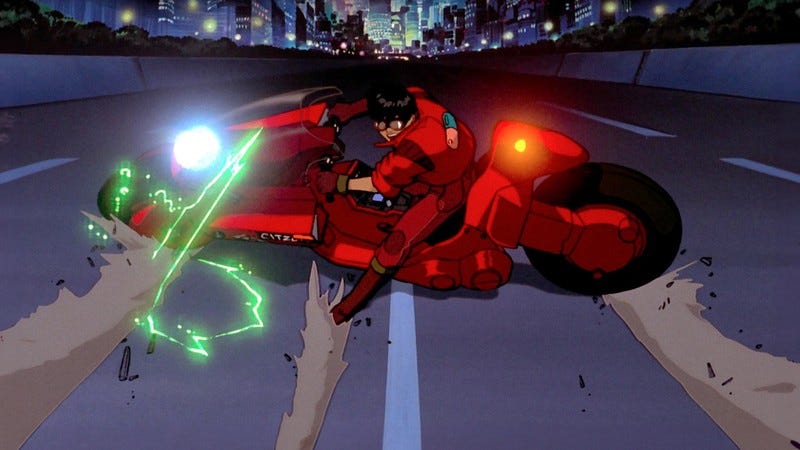
The animation alone makes this worth the watch, and all the inevitable rewatches.
It’s interesting to see how Katsuhiro Otomo deals with themes of mass destruction and the implications of unleashing an unstoppable force of annihilation upon humanity. Works like Frankenstein have explored this beforehand, and Japan having certainly felt this fear firsthand with the atomic bomb, you could say Akira is, in a way, a “Modern Prometheus” tale, albeit without a clear creator to blame besides the foils of how the human race itself reacts to the knowledge of such power.
I watched this back in high school and remember dismissing it prematurely, as it didn’t really follow my idea of how a story structure “should” work. Now I can say maturity has allowed me to dwell in the poignancy of its subtext.
A true classic that everyone should experience at least once, hopefully more than once.
The Rip (2026)

Solid action flick, pumped up just a bit by the better-than-usual-for-a-Netflix-movie performances of Matt Damon and Ben Affleck.
Joe Carnahan usually directs good action, so no surprise there.
Also, I will admit I got Colombian pride at seeing Catalina Sandino Moreno owning her role here, even adding some expressions from Bogotá into the mix (loved when she said “en la buena pa la pelá”).
Rental Family (2025)
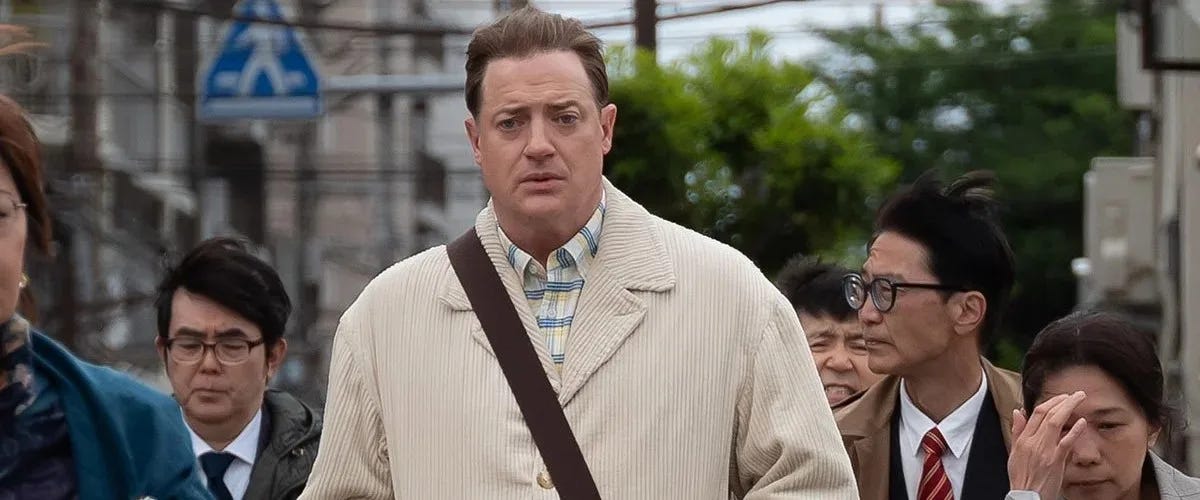
Feel-good movie with a Japanese twist. I have a soft spot for Japan in general, so this film was right up my alley.
I like that it’s an easy-to-watch film, so more audiences will be able to enjoy the gorgeous sights in Tokyo without having to endure a more densely packed storyline (as can be the case with filmmakers like Kore-eda or Hamaguchi, whose work I still love).
I sensed subtextual ties with certain psychological practices, particularly Jacob L. Moreno’s psychodrama. It explores the blurred lines between reality and fiction, albeit in a lighthearted way.
Brendan Fraser leans into his wholesome persona with ease, with the welcome surprise of hearing him speaking Japanese.
Akira Emoto gives a standout performance as Kikuo Hasegawa.
How To Have Sex (2023)

Brutally honest portrait of sexual assault. I don’t think there’s anything I could say that describes the very palpable sense of dread present throughout the experience of watching this.
Never has the phrase “I’m only kidding” frustrated me as much as in this film.
Rashomon (1950)
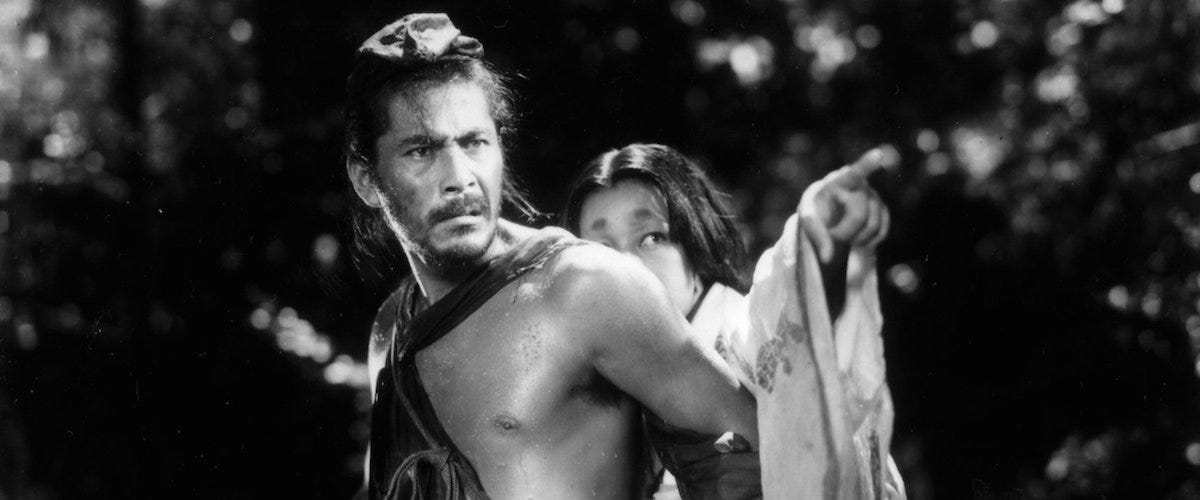
I really appreciate how this film influenced many others when it comes to storytelling and perspectives. It’s called a classic for a good reason.
The thing is... so many other films have improved so radically on this genre, Rashomon feels like a drag by today’s standards. I am glad it’s been properly documented and extensively dissected, but it’s not a very enjoyable watch, I must say. Things like the endlessly theatrical overacting and extensive sequences of people walking through the woods (through admittedly gorgeously shot monochrome images) really turned me off.
Oh well. Glad to have given it a try!
Harakiri (1962)
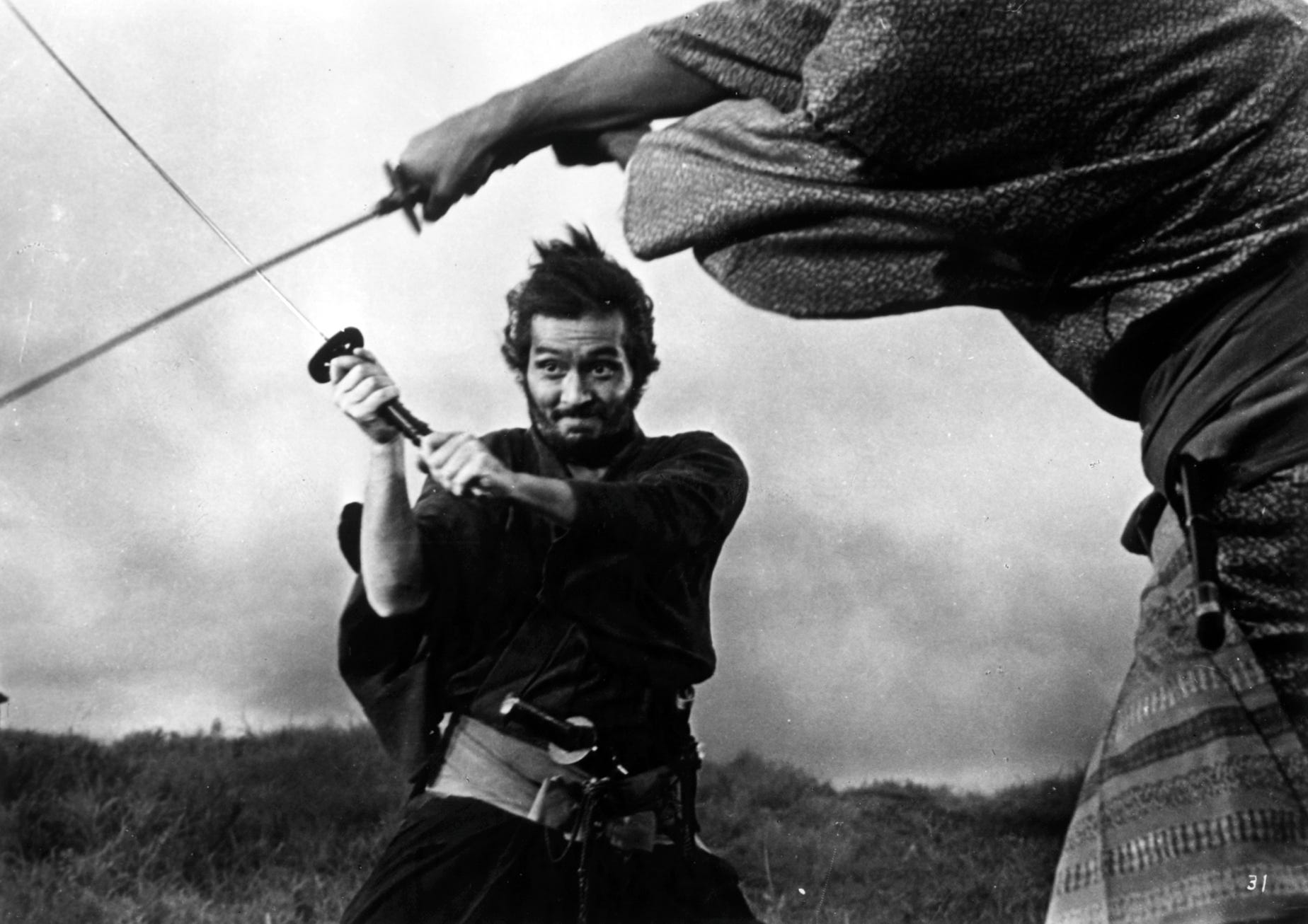
Watching this film, I was reminded of the themes typical to film noir: the unjust power structures and the hypocrisy that upholds them, how history is written through lies that negate urgent realities and desperate needs for adaptation, the way in which even the hardest hearts succumb to what some perceive as imperfections but others accept as what can only be described as our deeply human necessities (desire? love?).
Perhaps this movie’s most significant departure from film noir is in its protagonist, who’s mission isn’t to redeem himself, but to go to great lengths just so he can mock the ruling class, exposing the absurdity of the system he lives in.
As a Colombian, I find it endearing how this film’s themes overlap with the most significant work my country ever put on the silver screen, “The Strategy of the Snail”, in the way both challenge authority through the lens of their specific culture. Both manage to transcend their specific boundaries and resonate universally, but of course, Harakiri did it first and did it best.
That’s it for thoughts… for now!