

[Vol. 3] Thoughts on Films by a Colombian Cinephile
Yet another set of random thoughts on films I've watched.

Note: I regularly post thoughts like this on my Letterboxd, in case you’re interested!

EPiC: Elvis Presley In Concert (2026)
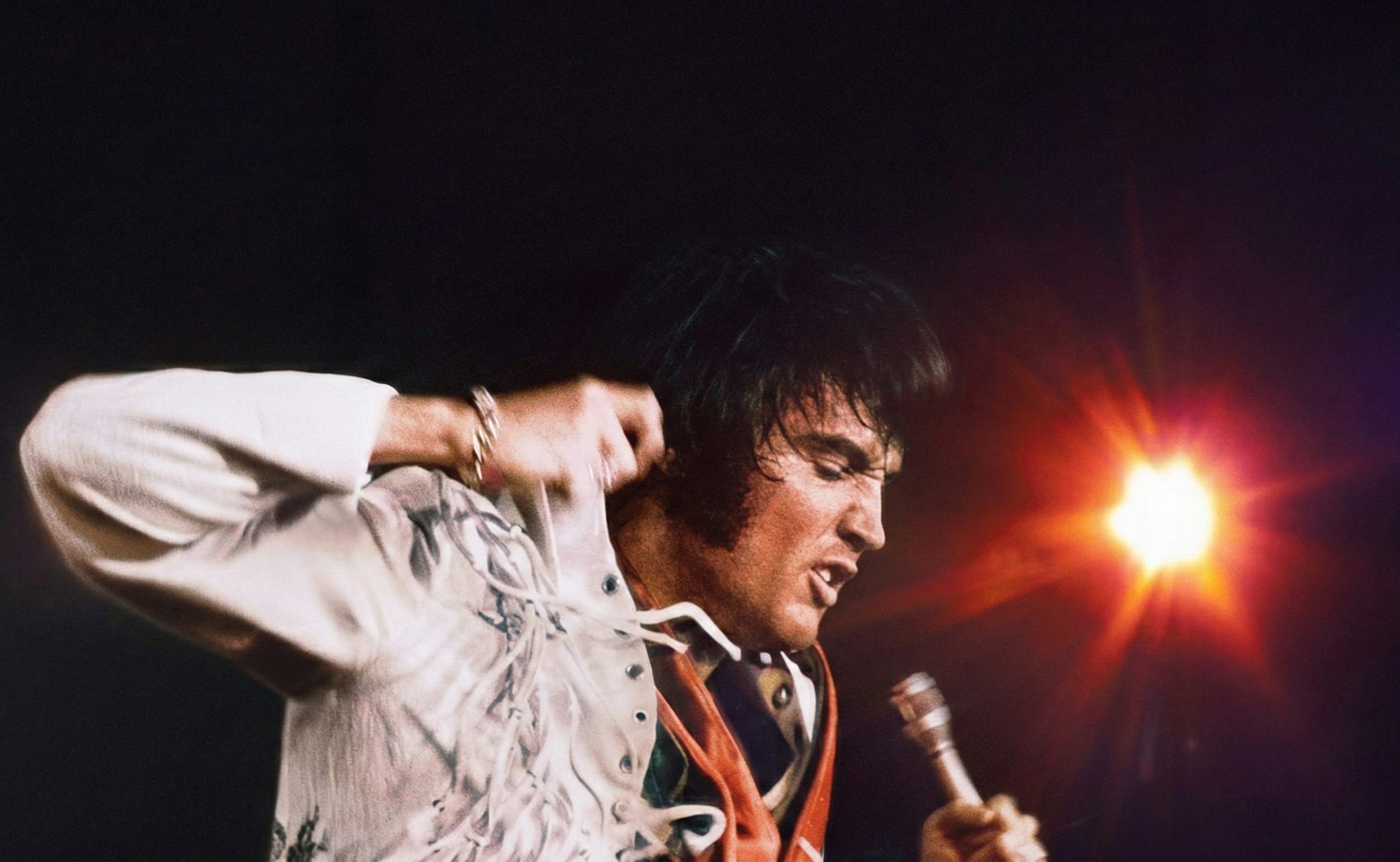
EPiC is everything its fictional counterpart by the same director isn’t.
Watching the actual Elvis Presley, in all his superhuman nature, with such effortless flare, such mastery of the stage, so much soul spraying out from his veins, made me realize it is just impossible for any actor (even Austin Butler, God bless his admirable transformation and love for his craft) to capture the King’s magic. You just HAVE to see the real thing in order to believe it.
It also made me kiss the heavens in gratitude for finally being able to experience Elvis’ story without any pointless decorations or distracting effects, albeit with all the nuance inherent to a soul as unique as his. Of course Elvis is a deeply contradictory character, and EPiC thankfully leaves moralisms out the window (or God forbid, another Tom Hanks voiceover).
This film still has me thinking about Elvis, about his life and death, about his music, about his histrionism. This is exactly how I want to feel after watching him perform.
Elvis (2022)
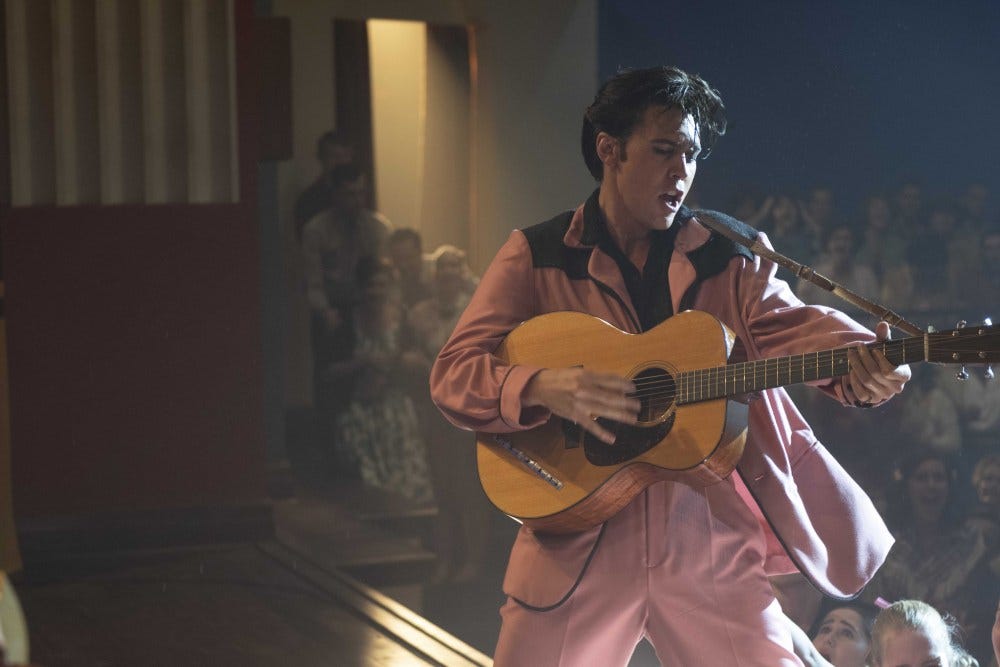
It’s astounding how this film approaches a three-hour runtime and offers very little insight on who Elvis Presley was as a human being. There’s plenty about him as a showman and occasionally as a musician (a scene where he directs a whole band of live performers is an absolute delight to watch), with some emotional scenes here and there, but nothing of real, raw, tangible substance.
Why the film is told from Tom Parker’s perspective, complete with the kind of voiceover that might work in a book but feels out of place in an epic of these proportions, is frankly beyond me. The audience gains nothing more than the knowledge that he was a contemptible human being, which you understand the moment you first see him on screen.
Austin Butler was so good in this role that I sometimes wished the frenetic pacing and quick cut editing got out of the way so we could revel in his performance. It does calm down in the second half, at least.
Marty Supreme (2025)

Enjoyed it through and through. Josh Safdie keeps his and his brother’s signature style (frenetic pacing and quick cut editing glazed with vintage cinematography and 80s style music) and elevates this film to above-average level. It drags a bit too much in the third act for my particular taste, though.
Timothée Chalamet delivers a histrionically convincing performance, worthy of being seen on the big screen. I don’t think it’s Oscar worthy (sorry, but Wagner Moura stole my heart among this year’s nominees), but hey, it doesn’t need to be for the character to work. And it does, in spades.
Love (2015)
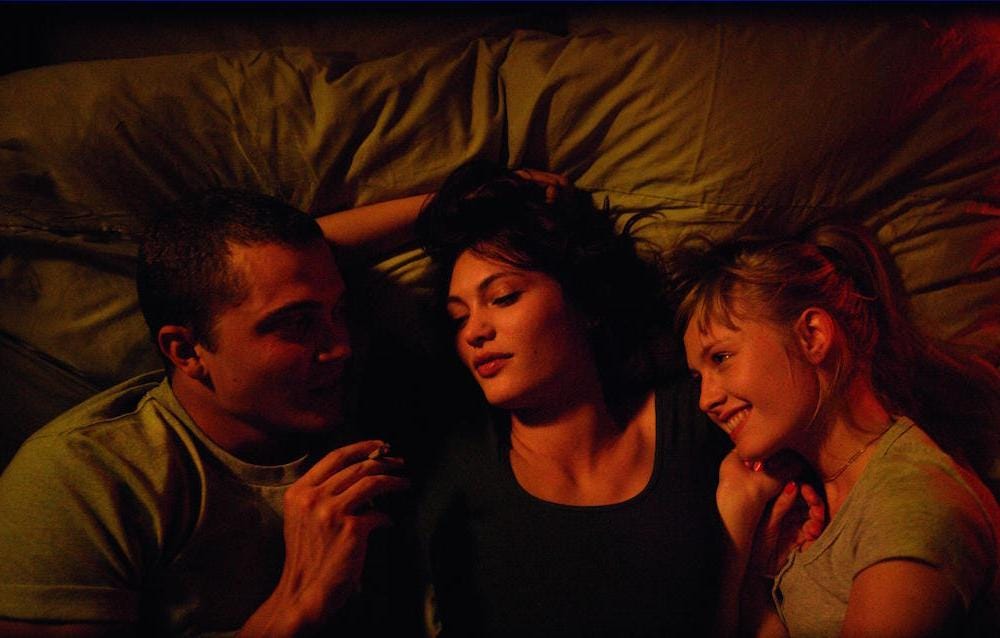
Porn-with-a-plot meets arthouse cinema.
A film can be shocking, ill-inducing, daring, controversial or genre-defying and still be interesting, either because of those things or in spite of them.
Love (2015) isn’t any of those things. It’s, quite frankly, an excruciating bore.
Sinners (2025)
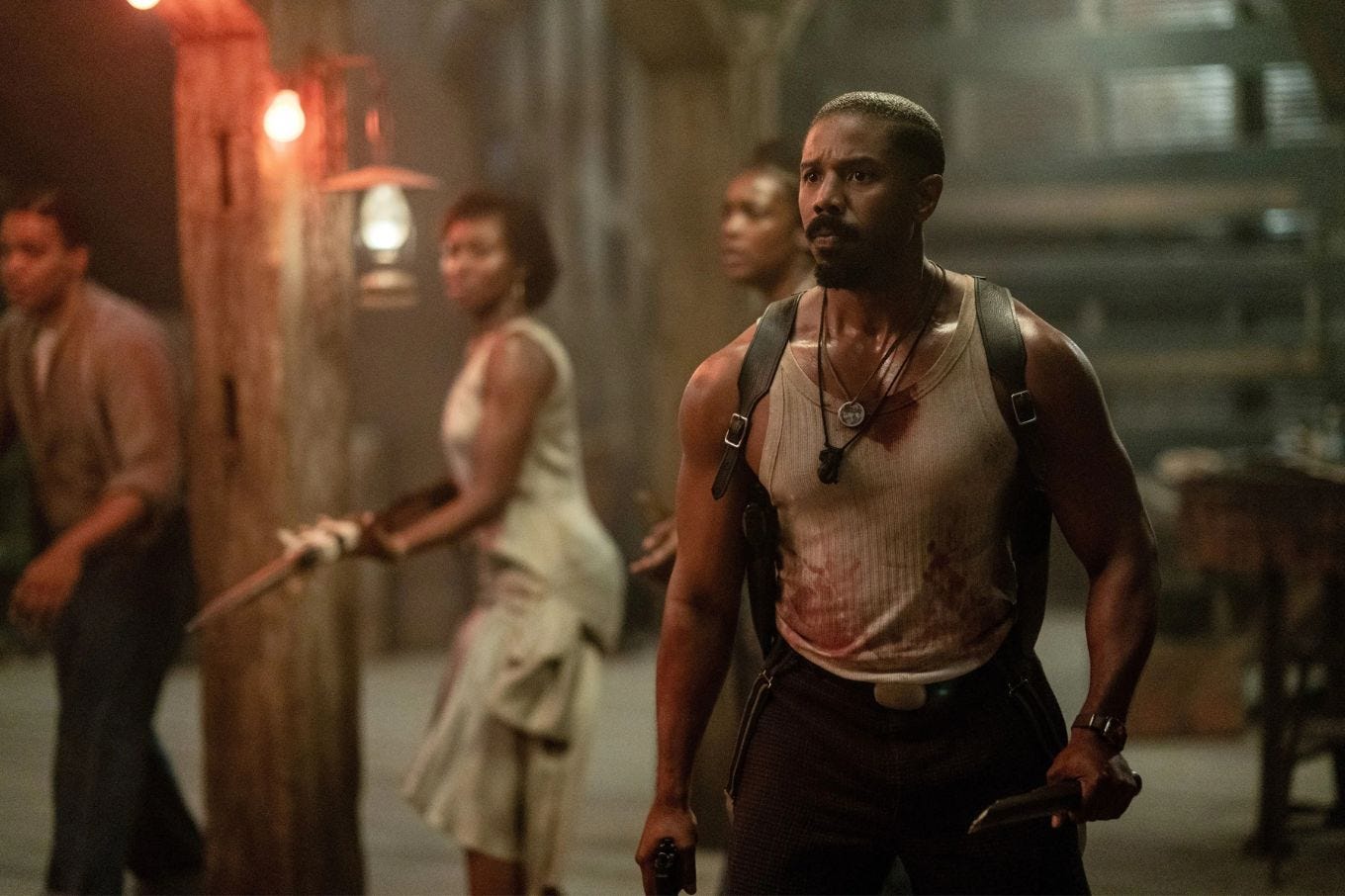
I have mixed feelings about this film.
On the one hand, it is a technical marvel. Production design, sound design, editing, and the soundtrack are all top notch. It’s a real treat for the senses. I also quite liked the iconic blues dance scene.
On the other hand, I didn’t particularly care for the plot. It was entertaining, from a summer blockbuster point of view, and it has a premise that sounds innovative, but I didn’t find the execution itself to be anything extraordinary. It mixes historical fiction with horror, which is a tall order, and it mostly delivers, stumbling a bit in certain parts.
(I will admit, though, that the fact that I am biased against the horror genre in general may well factor into my feelings for this movie.)
All in all, it was a sufficiently enjoyable popcorn flick with a historical fantasy twist. I do think the Oscar nomination buzz is making this film sound way more memorable than it will actually turn out to be a few years from now.
Past Lives (2023)

This film isn’t about love; it’s about life itself.
Much has been said in romantic dramas about your soulmate as your necessary love interest and your entire life’s purpose. It sounds nice and comforting precisely because it’s a fantasy. Some people come closer to that fantasy, others never even get to see it.
Whether Nora and Hae Sung are meant for each other is besides the point. Life’s ebb and flow navigates us towards making decisions in our lives, and their consequences will always contain both smiles and tears. If there’s a parallel universe (or another life, as the film suggests) where they are together, it would also likely be filled with resentment about dreams not pursued, about chances not taken. There’s no absolute truths, no definitive answers, no unquestionable happy endings. There’s just the best we can do with the information we have, and how we deal with the ripples of those inevitabilities.
The Before Trilogy explored this dynamic gorgeously as well. I find it remarkable how Celine Song managed to condense that same feeling into a single film, without any of the nuance lost in the process.
Materialists (2025)
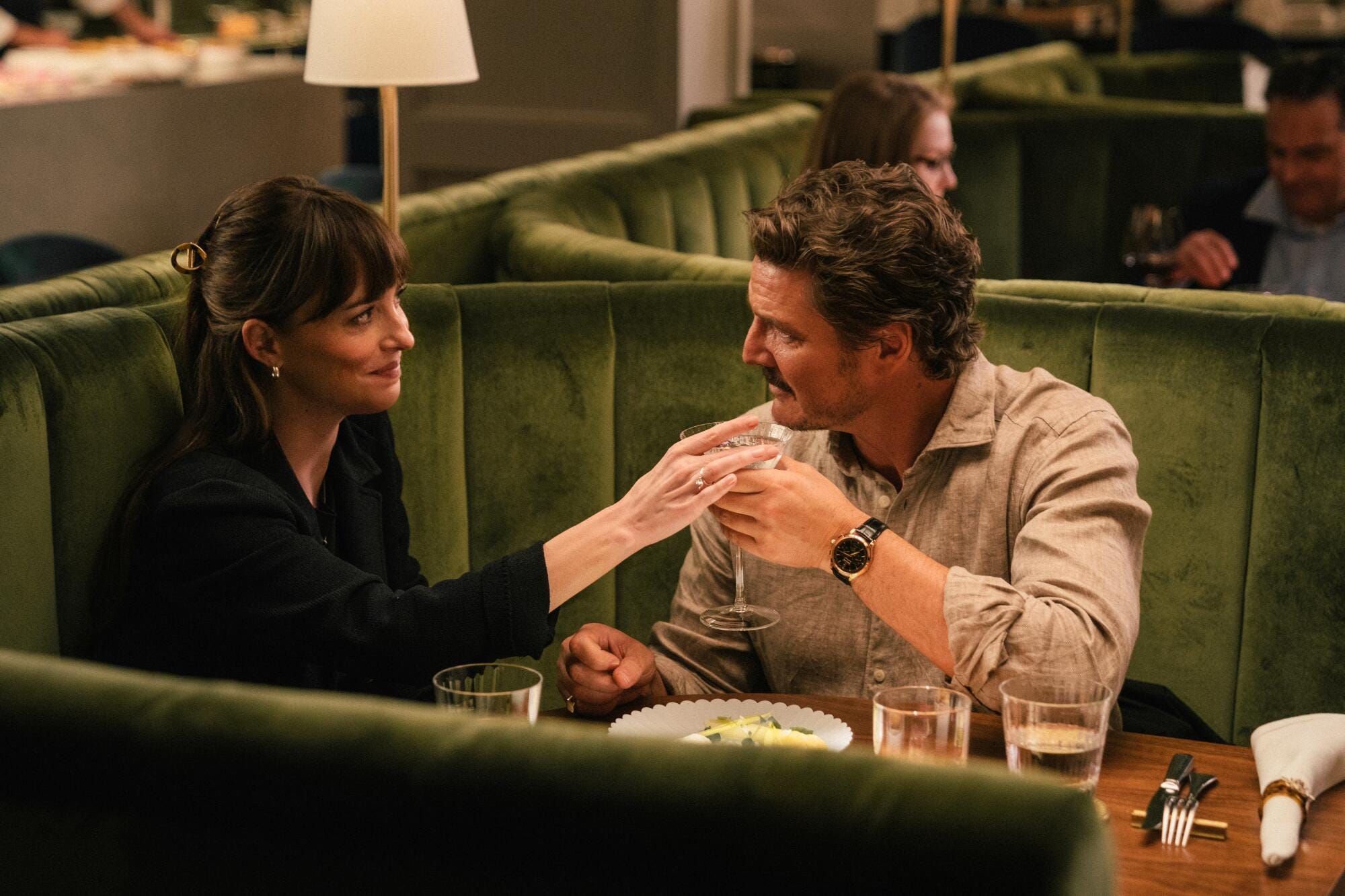
I feel like this film has an identity crisis: there’s two films fighting for attention.
One film has gorgeous stylistic choices, heartwarming music, and captivating camerawork that all serve to suggest a romantic narrative told through subtlety.
The other film has characters spelling out their feelings every five seconds and leaving absolutely zero room for nuance. You can’t soak in anything resembling meditations on the reverberations and peccadilloes of love in the Tinder age, despite the underlying script being desperate for this to happen, if you’re going to be told what to think at every corner.
There was potential here. I do sense the kernel of a much better movie hidden somewhere. If only it could have risen up, beyond all the noise...
Elite Squad (2007)

Elite Squad has the makings of a Hollywood blockbuster, with deftly directed action and nonstop thrills. However, it sits much more adequately within the film noir genre, albeit translated into deeply held Brazilian idiosyncrasies.
Having this as a pretext for viewing this film, elements start fitting into the larger puzzle. The voiceover, derided by critics as “pointless”, is actually the story’s connective tissue, in the same way noirish musings decorate our favorite hardboiled detective tales. They’re ramblings by an unreliable narrator (noticed how he keeps mentioning his family towards the end, even though we know they left him?), and they’re meant to be. Nascimento is an exquisitely contradictory character, which makes him all the more enigmatic and magnetic in his impossibility to be deciphered fully.
Those who see Elite Squad as a glorification of the police are missing the point. Film noir is known precisely for how it criticizes power, and this film embraces that formula. It’s a smartly crafted critique of the very same institution it depicts. If this was done by Netflix, it would be filled with dialogue breaks where the characters express their worldviews out loud, feeding shareable quotes that excise critical thinking.
This film denies the comfort of answers, forcing us to ask hard questions about the people we put on power and celebrate as our peacekeepers. It has to be uncomfortable to work.
Detachment (2011)
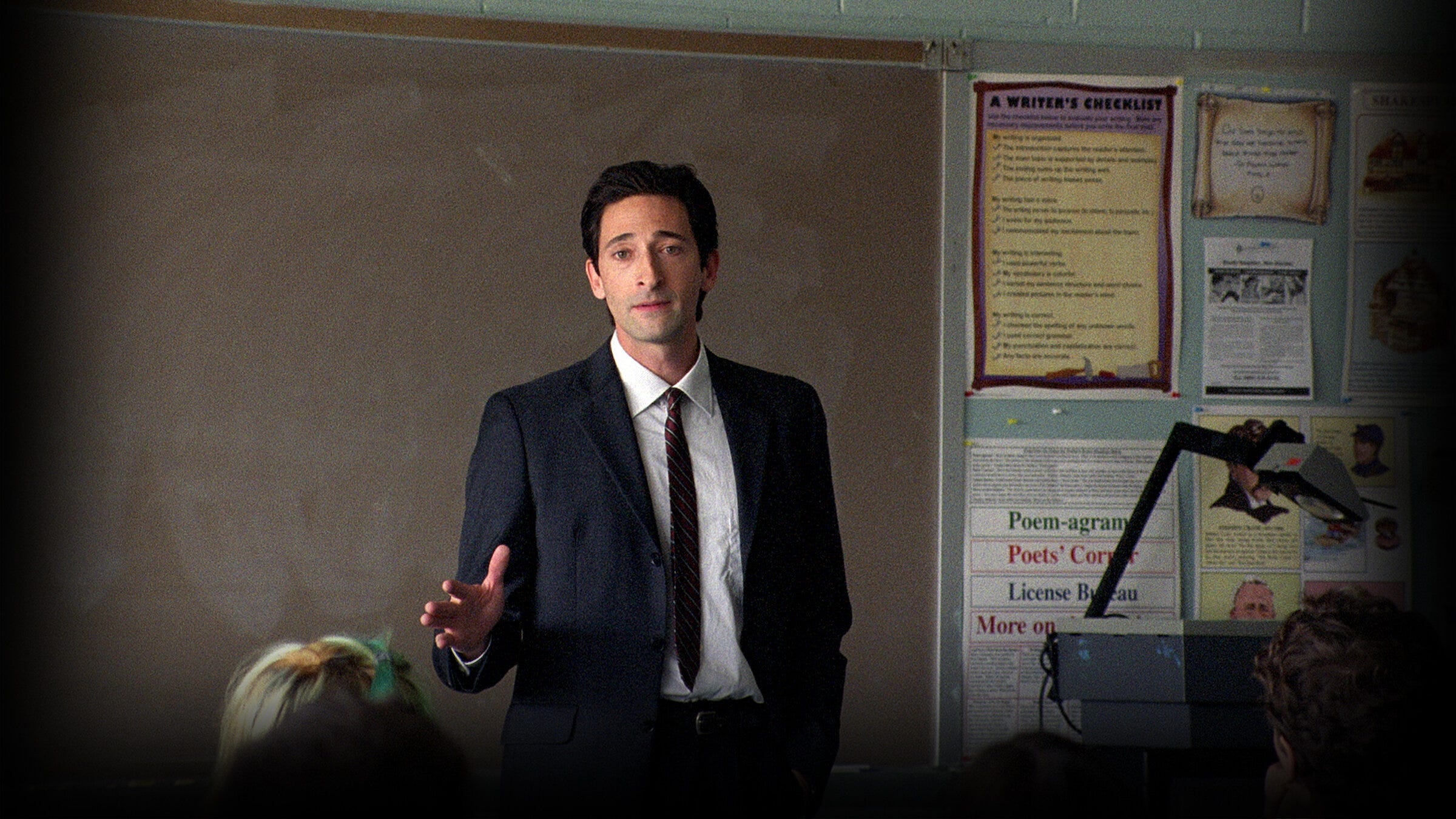
The “Doublethink” scene alone makes this film worth existing.
Every single day, I am confronted with mounting evidence that what this film portrays isn’t merely a depressing narrative. It’s a prophecy. A Greek tragedy come to life that seems inescapable.
Since caring so much about the world and its future seems masochistic and naive, detaching ourselves from reality becomes an increasingly tempting prospect, if only for a brief moment, to soothe ourselves for feeling too much.
I hope that I can still care enough to renounce detachment, to make a difference in others, if only in just a few lost souls...
That’s it for thoughts… for now!