

[Vol. 4] Thoughts on Films by a Colombian Cinephile
Yet another set of random thoughts on films I've watched.

Note: I regularly post thoughts like this on my Letterboxd, in case you’re interested!

Backrooms (2026)
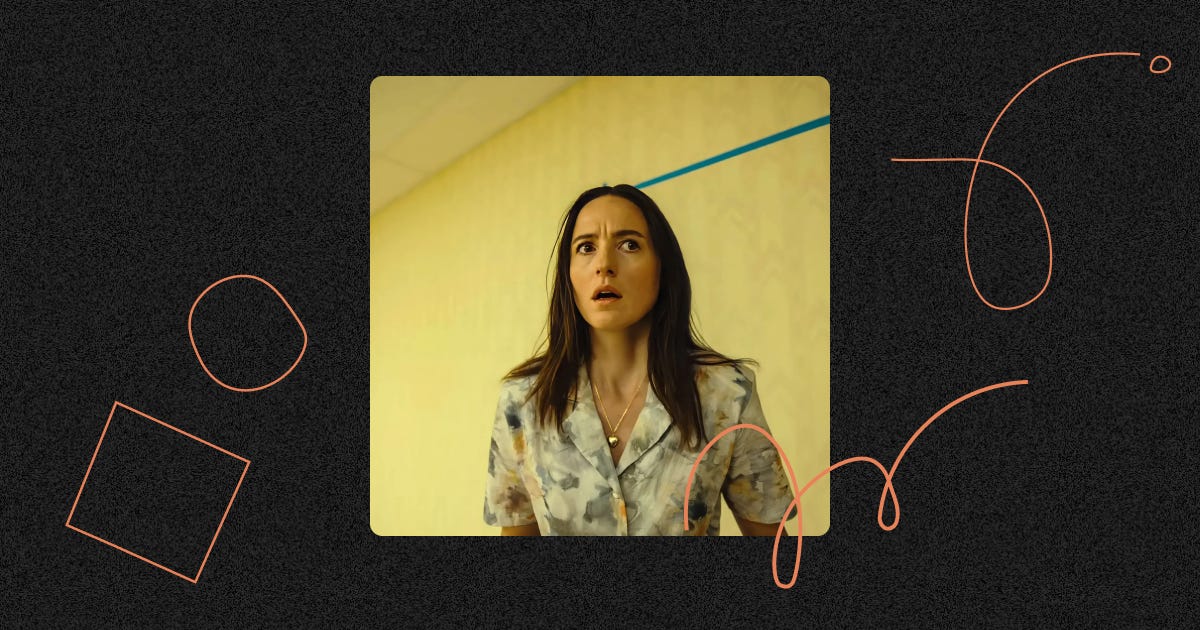
I’m not a horror fan but this was a pretty nicely executed concept.
It’s not proper horror in the filled-with-screamers sense. It instills more of a constant sense of dread, taking advantage of the concept of liminality to make the audience uncomfortable.
I have further confirmed with this film that I could watch Renate Reinsve in virtually anything and still be mesmerized by her command of the screen.
Michael (2026)
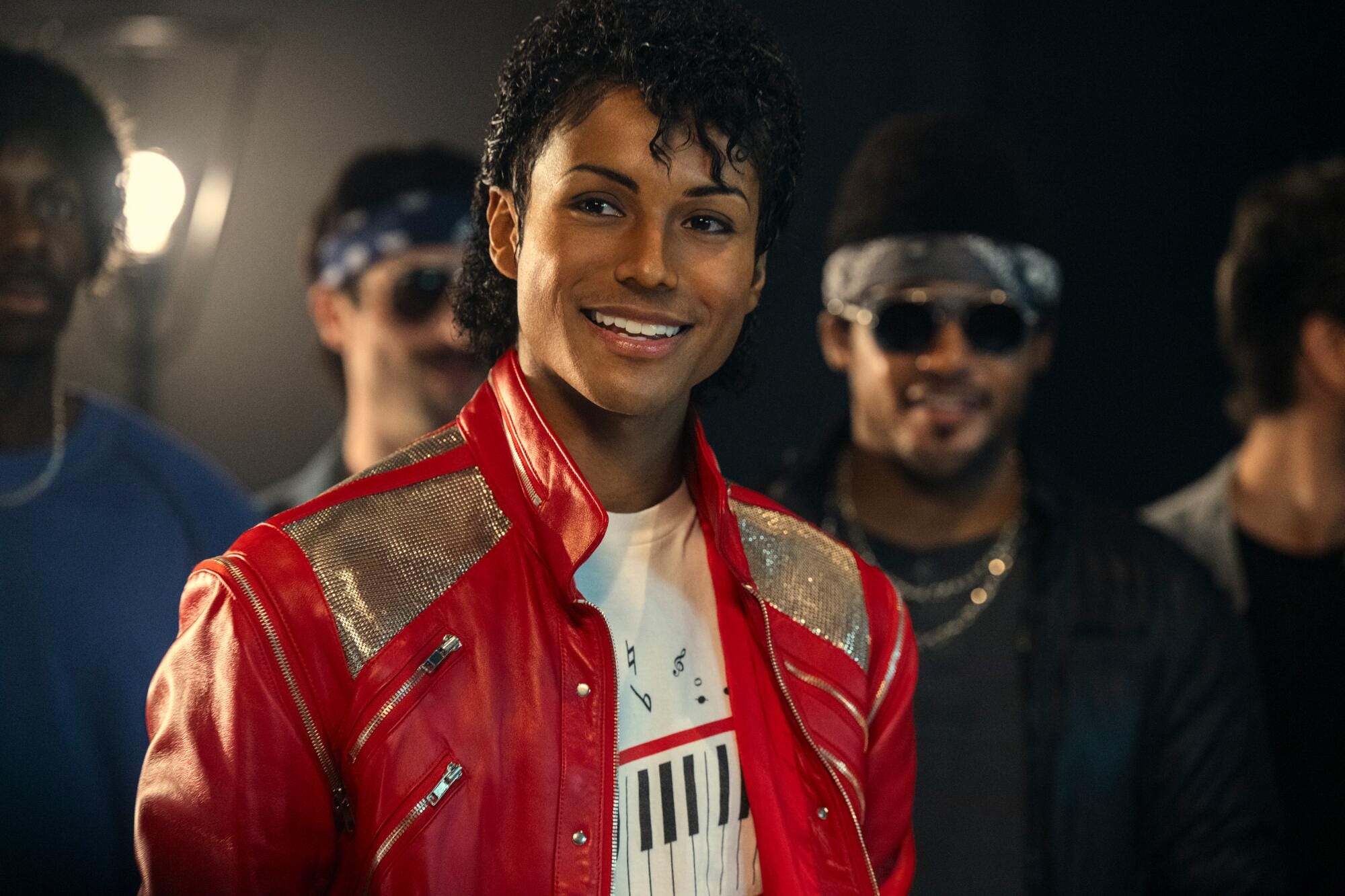
The guy sitting next to me in the theater constantly pulled out his smartphone to record scenes that reenact Michael’s famous Zeitgeist-defining moments (think the zombie dance in Thriller), presumably to post them on Tik Tok later. He laughed audibly at supposedly tense moments and sang along (or rather, tried) to familiar tunes, seemingly content with the banality of what he was watching.
Perhaps this is the kind of audience Michael (2026) is reaching for. It might just be the very same audience that will justify the cost of a sequel. I wish I had the ability to delude myself so much as to enjoy this film and be done with it. Can’t take the thinking out of the overthinker, though.
The three stars go to Jaafar Jackson’s performance, who practically nails a virtually impossible to cast role. His dedication and natural talent are commendable. I hope he keeps exploring his artistry and evolves into a force of his own.
It’s such a shame that the film he’s in fails his efforts in so many ways. Scenes that threaten to break the narrative’s highly superficial aura and actually sneak in some depth or some reflection on Michael’s character are cut abruptly so the next crowd pleasing musical montage can take place. Why bother challenging the audience with something resembling a character study when we can marvel at Jaafar’s ability to reenact his uncle’s best dancing moves (which of course makes for far more Tik-Tok-able material)?
Why does Michael have so many animals in his home, or as he calls them, friends? Why does he have an obsession with childhood? How do some of the songs he wrote in his bouts of inspiration connect to these topics?
There’s a fascinating discussion to be had here, but the film seems uninterested in it, choosing to frame the aforementioned events as quirks rather than proper themes.
(The following I wrote after a rewatch)
I rewatched this last night with my parents. It’s been a couple of weeks since I saw it first, and I’ve been rocking MJ’s tunes nonstop in the meantime. I’ve also immersed myself in all the intricacies of his personal life, including each and every accusation of abuse (you know the kind).
Experiencing this film as the closest I’ve ever been to consider myself a Michael Jackson fan hits very differently. The film’s faults are still in full display, of course, but anyone who’s ever had the privilege of consuming and studying melodrama knows that the emotional core of a storyline can overtake the rational, even if, through an objective lens, the film itself still shouldn’t work.
Michael (2026) shouldn’t work for a multitude of reasons (which I went through in my previous review). The thing is... I enjoyed it. I danced in my seat when Billie Jean graced the screen. I desperately took my phone out to ask Shazam what a certain track was (it was “I Can’t Help It”). I smiled with glee when Michael is shown through the creative process of putting Thriller together, invoking what he lovingly calls inspiration from the Creator.
Despite his numerous legal problems, personal mishaps and downright questionable antics, Michael Jackson was an era defining artist in the sense that the common person (including myself) can’t help themselves when an MJ beat hits the radio. He has THAT much power over the public. In that sense, I commend the film for capturing that magic.
Skyfall (2012)
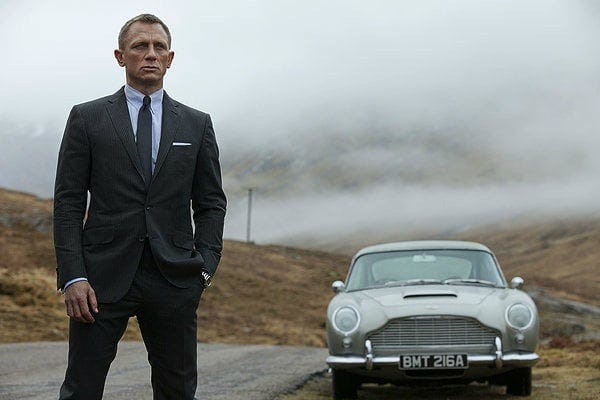
The first time I saw this film in theaters, I loathed it.
I hated how Craig’s Bond was treated like a dinosaur after we had just witnessed his birth just a few years back. I found Silva’s omniscient like abilities just hard to swallow (I still think his prison-escape-turns-to-kill-M-in-hearing plan makes no sense). A lot of the dialogue tried to push humor that just didn’t land for me. And I found the addition of the gadget-filled DB5 jarring, especially since the same film tries to make a case against traditional gadgetry (not to mention subsequent films ignore this argument altogether).
I think this is an issue with how Sam Mendes decided to handle Bond: he asks us to take the plot and themes really seriously, but also wants us to forego logic in what seem like arbitrarily selected places (Spectre had these same issues, just more pronounced). It seemed to work at the time for audiences (it is still the highest grossing Bond film ever), but it never quite geled for me.
However, rewatching it time and again has made me appreciate some of its elements. The cinematography is gorgeous, the music is haunting and memorable. Both Daniel Craig and Judi Dench give their best performances in the franchise.
I think this is a case where the sum of its parts is better than the whole, and not the other way around.
Spectre (2015)
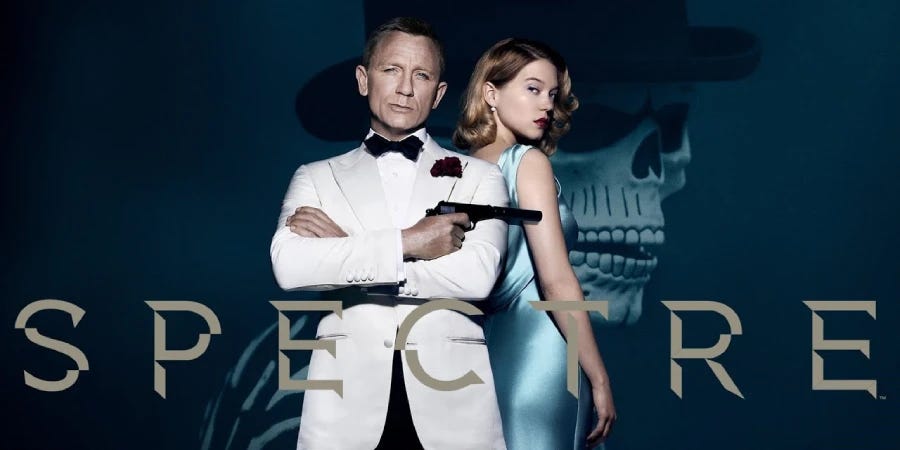
I still remember the sense of dread that filled my soul when exiting the cinema, having just watched this unforgivable train wreck.
Making the Craig era Bond villains interconnected under one giant shadowy organization has to be one of the most idiotic and nonsensical plot developments I have ever witnessed.
Making Bond and Blofeld brothers is downright offensive to the audience. The action scenes are mostly dull (the train fist fight was well done, though), the soundtrack is lazy (lifting cues directly from Skyfall), Craig’s performance comes off as bored and uninterested, and the themes are just a cheap rehash of what Skyfall had already tried to convey.
I rewatch this film every now and then in the same way I do the late Moore era ones: as if it were an unintentional comedy. I thought the Bond franchise was past that.
Man on the Run (2025)
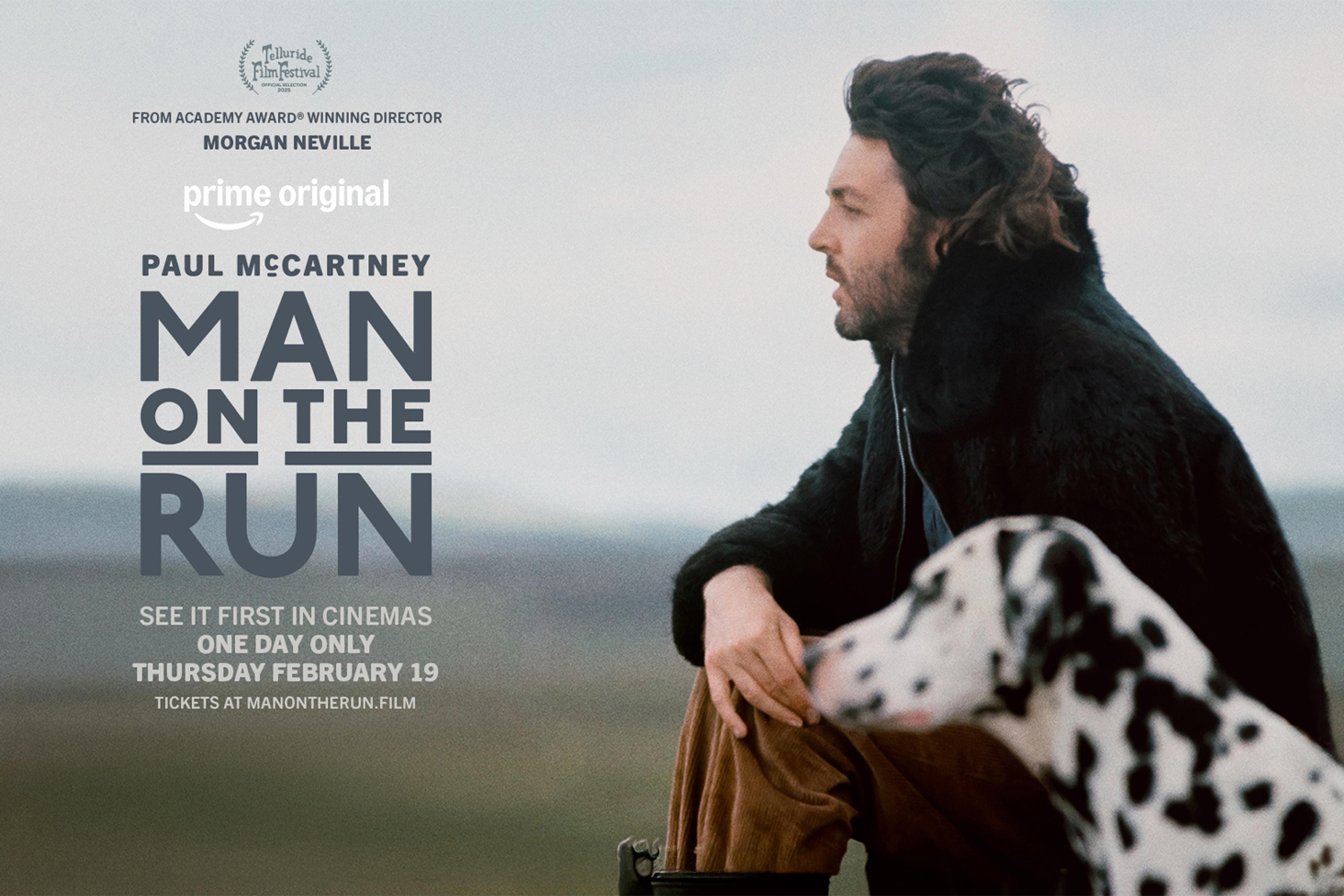
I loved the fact that no stereotypical interview footage was shot for this documentary. It’s pure, raw audio logs from Paul himself and everyone around him, visually amplified by collage-style animations of the gargantuan amounts of archival footage that exists of virtually every single time period of Paul’s life.
There’s a rare humanity captured in this documentary, one that I will admit hit close to home as Paul’s post-Beatle discography was my perpetual soundtrack for most of my college years. “Ram” lifted me through the bus trips I took every day to class, “Band On The Run” made me soar through the clouds of my own musical imagination, and the very rarely discussed hidden gem “When The Wind Is Blowing” is the single biggest reason I decided to delve deep into empirical musicianship.
Paul’s life changed when he left the Beatles, and he managed to change the lives of those who love him with his subsequent creative efforts.
365 Days (2020)
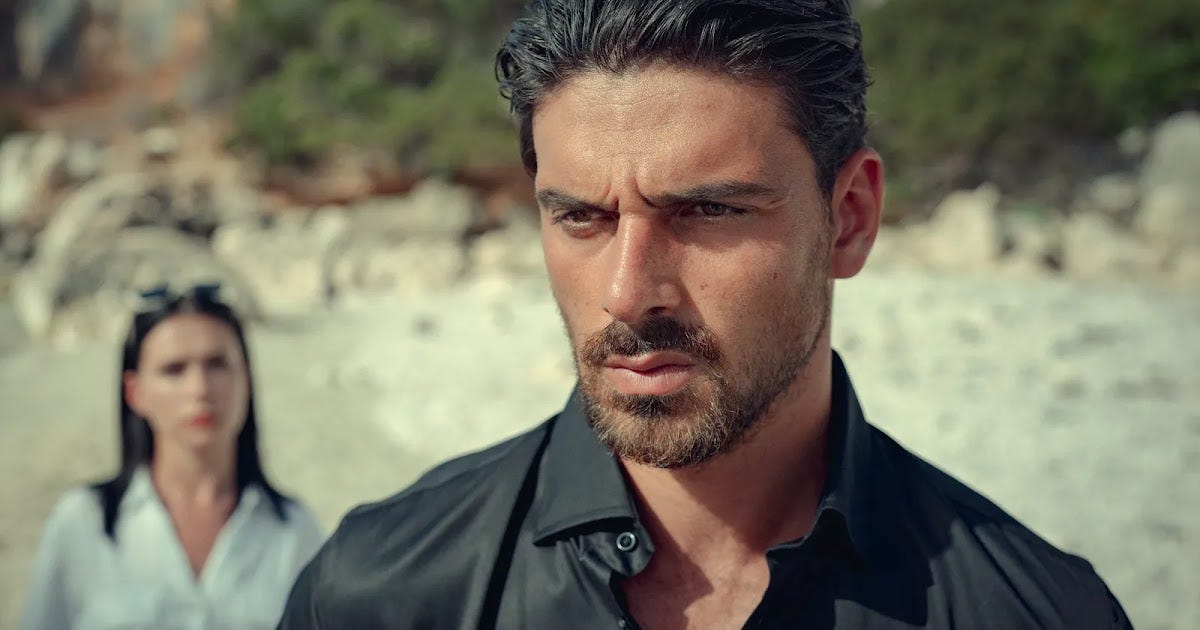
Watched this with a friend. I don’t think I have laughed so much at bad cinema like I did with this sorry excuse of a movie.
Also, why has no one mentioned Massimo’s underrated ability to teleport into a scene with no warning? Seriously, there’s at least five different scenes where the camera turns away for like two seconds and he’s suddenly just...there.
Project Hail Mary (2026)
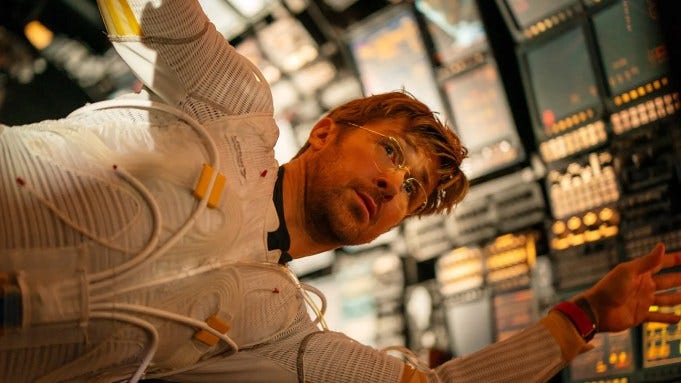
The gravitational pull science fiction has always had on me consists in its innate ability to separate itself from our reality in order to better explain, both logically and emotionally, that very same reality.
We have no realistic way of knowing what a first alien contact, let alone an Earth-saving mission, would look like. We sure as hell know what it would feel like, though: we would fear, love, and cry in much the same way we already do in our miraculous, minuscule and majestic cosmic home we call Earth.
I loved this film because it allowed me the rare opportunity of extricating myself from my reality, from my overtly analytical tendencies and my mundane unconformities, so I could feel like a kid once again. A nerdy, introverted, geeky, science loving kid who revels in artistic explorations of all the fun facts he loves to read about, and in recognizing all those cinematic influences worn on the film’s sleeve like a badge of honor (the Interstellar-like information threads in Rocky’s ship were an unexpectedly nice touch).
The cherry on top was, to my delight, the soundtrack. Fist my bump!
Hamnet (2025)
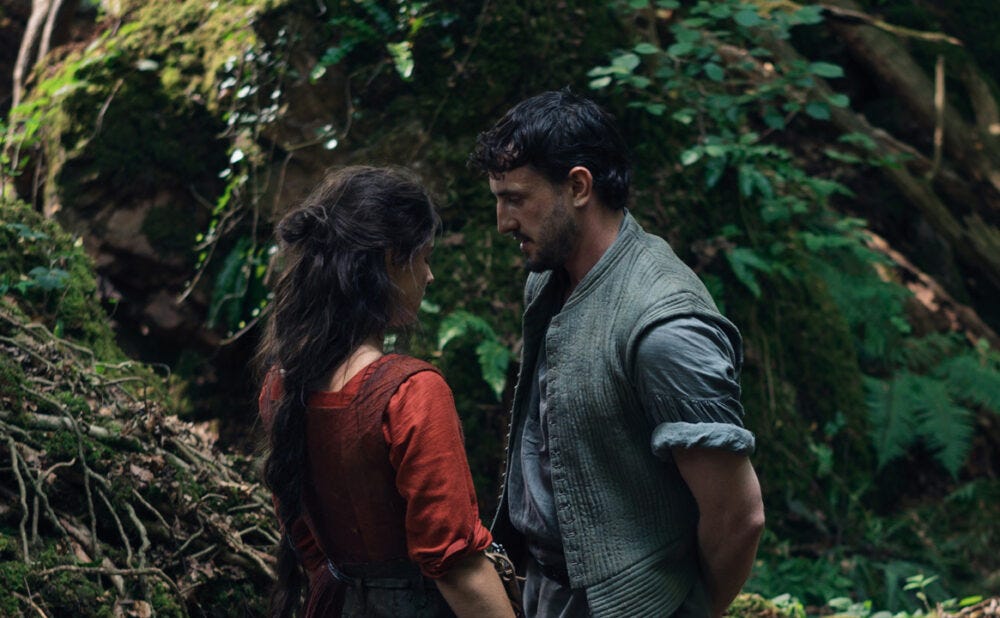
What is art, exactly? Is it entertainment? The expressions of an artist who can’t communicate his vision of the world in any other conceivable way? A medium through which to process complex emotions, such as grief? The connective tissue that binds us together as human beings, as a collective consciousness that rests in the cathartic representation of a world they can’t make sense of?
Perhaps it’s all those things. Perhaps it’s even more than the sum of the above.
Hamnet is the story of how the eponymous play by Shakespeare came to be, but it’s not really about that. It’s a portrait of how stories make us whole, how narratives can carry us through nonsensical times, through the pain of that which we don’t understand, through the darkest corners of our existence where logic and reason have no place to be.
I cried so much in this film, I needed a few minutes before I could even stand up after the credits rolled. My tears were filled with bereavement, then with pain, and finally with hope.
Hope in the future, in ourselves, in our ability to recognize beauty among the chaos.
That’s it for thoughts… for now!